Wednesday, May 22, 2013

Chocolate Chip Muffins


I just made these muffins, and decided to blog about them immediately before they get eaten and forgotten. There are many great muffin recipes out there but the reason for today's post is because this is the first time I baked with my batter filled all the way to the brim. Yes, you heard right. Not two-thirds full, not three-quarters full. Completely full.

I have to say, I was a bit apprehensive when my muffin tin went into the oven. I mean, won't the batter spill and make an ugly mess? Will the muffins really rise and dome? However, having read the success stories online, I was determined to give this method a shot and as you can see, the muffins really turned out tall and proud! Every single one of them.

Now go on and try this at home. :)

Recipe
(adapted from Sally's Baking Addiction)

Makes 12 regular muffins

(A) Dry ingredients
- 330g (3 cups) plain flour
- 4 tsps baking powder
- 1 tsp salt

(B) Wet ingredients
- 2 eggs, at room temperature
- 225g (1 cup) sugar (I reduced to 170g)
- 236ml (1 cup) milk, at room temperature
- 118ml (1/2 cup) vegetable oil
- 1/2 tsp pure vanilla extract

Chocolate chips
- 160 to 180g (1 cup semi-sweet chocolate chips - I used mini ones)


1. Preheat oven to 220°C (425°F). Lightly grease muffin tins, including the rims.

2. Whisk (A) briefly in a bowl to mix.

3. Mix (B) in a medium bowl - eggs and sugar first, followed by the rest.

4. Add (B) to (A). Fold gently to combine - using either a spatula or spoon - until no streaks of flour remain. The batter should look lumpy and thick.
A tip on folding: 
- We want to combine the ingredients in as few strokes as possible. The less we handle the batter, the fluffier the muffins. Start folding in long, broad strokes, scraping the ingredients from the bottom of the bowl in an upward motion.

5. Sprinkle in the chocolate chips and fold in 2 to 3 strokes to combine.

6. Spoon batter into prepared muffin tins all the way to the brim.

7. Important step: bake at 220°C for the first 5mins and then turn the temperature down to 190°C for another 25mins. Those first 5mins will provide that crucial rise to help produce those beautiful domes. After the muffins are done, allow them to cool for 10mins in the tin before removing. For minimal clean up, use muffin liners, but I wanted the au naturel look today.


(Taken from my instagram gallery) Two of my favourite things: Tea and chocolate. These pretty printed sheets were remnants of some craftwork I was doing for my home. I put them together to get this background, and now I can't stop looking at it. I love old school. I love tea and chocolate.

Thursday, May 9, 2013

Everyday Chocolate Loaf Cake


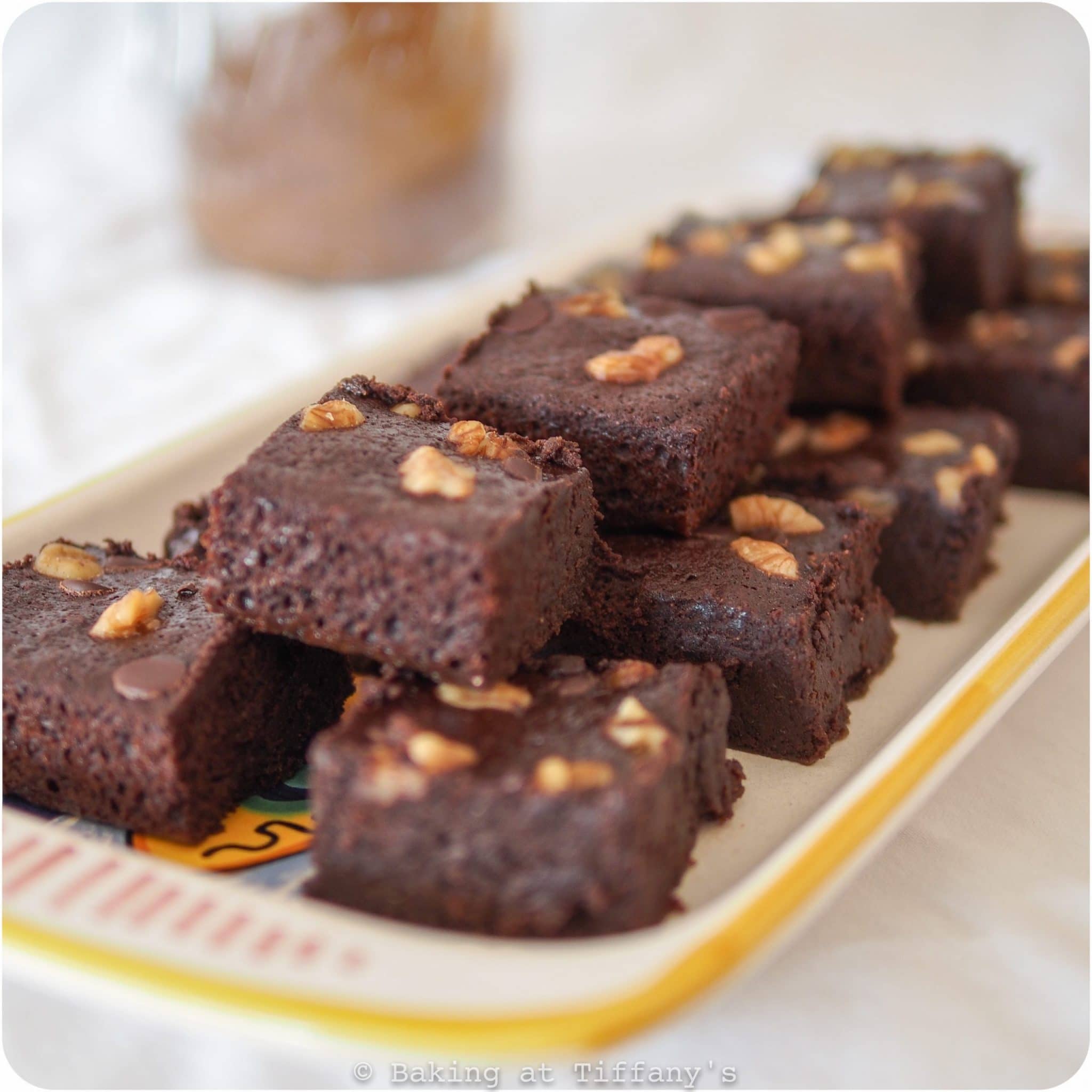
Taking a short break to share this dark-as-night chocolate cake recipe with you. Hope everyone is doing fine. :)

Recipe
(adapted from Smitten Kitchen)

- 113g (1/2 cup) unsalted butter, softened
- 200g (1 cup) firmly packed light brown sugar (I reduced it to 100g)
- 115g (1/2 cup) caster sugar (I reduced it to 75g; if you like it sweeter, reduce to 95g)*
- 1 large egg, at room temperature
- 1 cup (236ml) buttermilk (or yoghurt or even regular fresh milk, which was what I used)
- 1 tsp vanilla extract
- 170g (1 1/2 cups) all-purpose flour**
- 85g (3/4 cup) Valrhona dutch-processed cocoa powder*** (Singapore readers, you can buy this ingredient at Sun Lik)
- 1/4 tsp baking soda
- 1/2 tsp baking powder
- 1/4 tsp salt

* Note that because I reduced the sugar considerably, the cake tasted like dark chocolate - just slightly sweet with a tinge of bitterness. It was fine by all of us - my kids love dark chocolate, anyway - and if you are having it with hot tea or coffee, it is actually perfect. However, for those who prefer a slightly sweeter cake, use 100g brown sugar + 95g caster sugar. Of course, if sugar is your thing, just follow the original recipe!

** I used 100g wholewheat flour + 70g plain flour and the cake was a little firmer than usual. Again, not an issue and the kids ate without complaints. But if I were to make it again (with wholewheat flour), I would add an extra tablespoon of buttermilk or yoghurt, or 2 tablespoons of milk to increase the moisture content.

*** If using natural unsweetened cocoa powder (like Hershey's), use 1/2 tsp baking soda and omit baking powder. However, the colour and taste will not be as intense as if you use dutch-processed cocoa powder.

1. Preheat the oven to 165°C (325°F). Butter and lightly flour a 9x5x3-inch loaf pan*. In a large bowl, on the medium speed of an electric mixer, cream the butter until smooth.
* Note: I used 2 mini loaf pans from Daiso. Whatever size loaf pan you use, fill it up to two-thirds full and flatten out with the back of a spoon.

2. Add the sugars and beat until fluffy, about 3mins. Add the egg and beat well, then the buttermilk and vanilla. Sift in flour, cocoa, baking soda, baking powder and salt into your wet ingredients. Fold with a spatula until well-blended but do not overmix. Scrape down the batter in the bowl, making sure the ingredients are all incorporated.

3. Pour the batter into the prepared loaf pan. Bake for 60 to 70mins (shorter time required if you are using smaller pans), or until a cake tester inserted into the center of the loaf comes out clean. Cool in pan on a rack for about 10 to 15mins, at which point you can cool it the rest of the way out of the pan. Dust with icing sugar to dress it up before serving.

Saturday, April 20, 2013

Eggless Vanilla Cake


Just a very quick post today. I have been asked many times for an eggless cake recipe and I have always replied that I love eggs too much to go without them. But just 2 days ago, a friend of mine happened to ask, and I decided that for once and for all, I would try this recipe that I bookmarked some time ago.

I was surprised to see that the cake came out quite soft and moist - even more so the next day - and you don't really notice the absence of eggs. Well, there is a difference but it is not stark. Maybe because it still contained butter, which provided some richness.

Below is the recipe which I already tweaked to suit my own preferences, but I intend to play around with some variations, eg, using honey instead of sugar, browned butter instead of melted butter, adding citrusy flavours instead of vanilla, and maybe, even adding almond meal. That said, I am happy with the texture of this cake - very light and tender, and it tastes like a guilt-free butter cake.

Aside, I'm drowning in work and family commitments, but I will try to come up for air once in a while. In the meantime, there is twitter and instagram to keep in touch. Good weekend to all!   

Recipe
(adapted from Uma's Culinary World)

- 170g (1 1/2 cups) plain flour
- 236ml (1 cup) plain low-fat yoghurt (can use greek yogurt too)
- 150g (2/3 cup) caster sugar
- 113g (1/2 cup) unsalted butter, melted and cooled
- 2 tsp pure vanilla extract
- 1 tsp baking powder
- 1/4 tsp baking soda
- 1/8 tsp salt

1. Preheat the oven to 175°C (350°F).

2. In a small mixing bowl, add flour, baking powder and baking soda, and mix well.

3. Grease a loaf pan with cooking spray or oil.

4. In another big mixing bowl, add yoghurt, melted butter, vanilla extract and sugar. Mix well with a whisk until sugar dissolves.

5. Now add the dry ingredients, in 3 additions to the big bowl. Mix with a spoon so that all the ingredients form a smooth and thick cake batter. Pour this batter into the greased pan* to about two-thirds full. Bake for about 35-40 mins or until a toothpick inserted in the center of the cake comes out clean. The top of the cake should be lightly golden.
- I used my non-stick loaf pans from Daiso (7.2-inch by 3.8-inch by 2-inch, or 18.4cm by 9.7cm by 5cm), and the batter was enough for 2 pans.
- I think if you want to bake it as a round cake, a 7-inch cake pan would probably be suitable.

6. Let the cake cool in the pan for 10mins before inverting on a cooling rack.

- - - - -

UPDATED
(24 May 2013)

It's Vesak Day today, and I decided to make this cake again. This time, I experimented with the recipe and came up with a glazed Lemon/Almond version. I liked it very much! Please see the recipe below:


(From my instagram gallery)

Cake
- 170g (1 1/2 cups) plain flour
* I used 100g plain flour, 50g wholewheat flour, 20g almond meal
- 236ml (1 cup) plain low-fat yoghurt (can use greek yogurt too)
- 150g (2/3 cup) caster sugar
- 113g (1/2 cup) unsalted butter, melted and cooled
- 1 tsp baking powder
- 1/4 tsp baking soda
- 1/8 tsp salt
- Zest of 1 lemon

Glaze
- 115g (1 cup) icing sugar, sieved
- 3 to 4 tbsps fresh lemon juice (about the juice of 1 lemon)

1. Preheat the oven to 175°C (350°F).

2. In a small mixing bowl, add flour, baking powder and baking soda, and mix well.

3. Grease a loaf pan (or a 7-inch round pan) with cooking spray or oil.

4. In another big mixing bowl, add melted butter and sugar, and whisk until sugar dissolves. Add yoghurt and zest and mix again.

5. Now add the dry ingredients, in 3 additions to the big bowl. Mix with a spoon so that all the ingredients form a smooth and thick cake batter. Pour this batter into the prepared pan to about two-thirds full. Smooth out the batter with the back of a spoon. Bake for about 35-40 mins or until a toothpick inserted in the center of the cake comes out clean. The top of the cake should be lightly golden.

6. Let the cake cool in the pan for 10mins before inverting on a cooling rack. Allow the cake to cool completely before glazing.

7. In the meantime, add the juice of 1 lemon (about 3 to 4tbsps) to the sieved icing sugar until you get a smooth paste.

8. When the cake is completely cooled (and still on the cooling rack), slowly spoon the glaze over so that it drips over onto the sides. For easy clean up, have a tray or paper underneath to catch the excess glaze. Let the glaze cool and harden before transferring onto a serving plate for slicing.